

The Attentive Gardener
On Why Children Aren't Meant to Grow in Rows

Walk into a flourishing garden and you’ll see it: diversity. Some plants are hardy — able to withstand limited nutrients, harsh winds, or less-than-ideal conditions and still find a way to grow. Others are exquisitely sensitive, needing just the right amount of light, carefully chosen soil, and protection from the elements. Each seed carries a blueprint inside it, a plan for what it is meant to become.
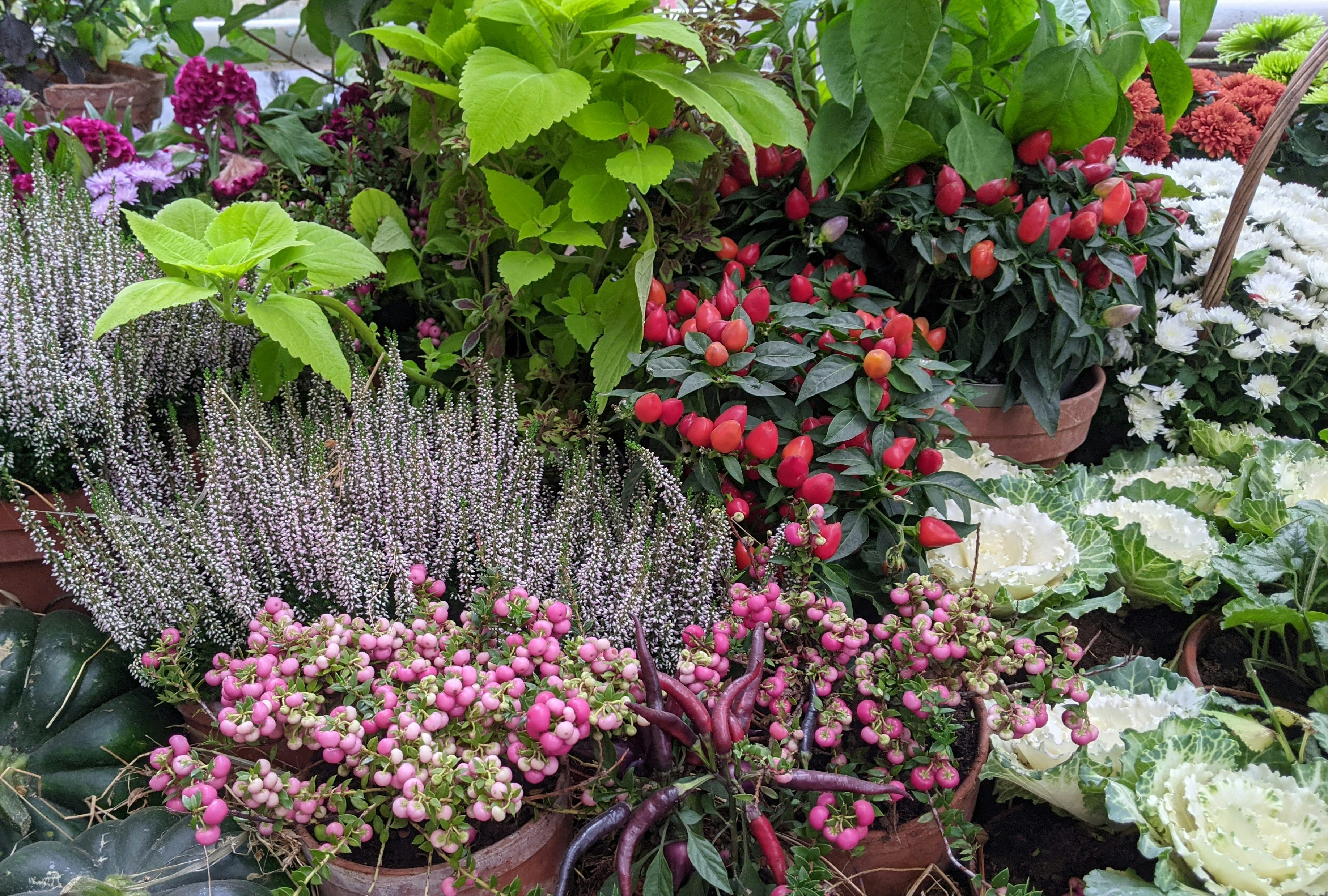
And here’s the thing: that blueprint doesn’t change. A rose seed will never grow into an oak tree, and a delicate orchid will never thrive in rocky mountain soil. It either receives the conditions it needs, or it struggles to thrive.
Children as Seeds
We humans are the same. Every child is born with their own unique blueprint — a set of conditions that allows them to grow and thrive. Unlike seeds though, children don’t come with care instructions printed on the packet. We are left to figure it out.
This is where careful observation — and tools like Human Design — can be so powerful. They help us see a child’s unique needs more clearly and remind us that there is no single “right” way for a human to grow.
My oldest daughter, P, has always been a dreamy, away-with-the-fairies child, picking up and dropping things, changing her mind constantly. She has mostly rejected all things linear and logical. Numbers took her longer to grasp; reading and writing developed slowly, despite her being very articulate, with an excellent vocabulary and a sharp intellect that often revealed a deep understanding of topics beyond her years.
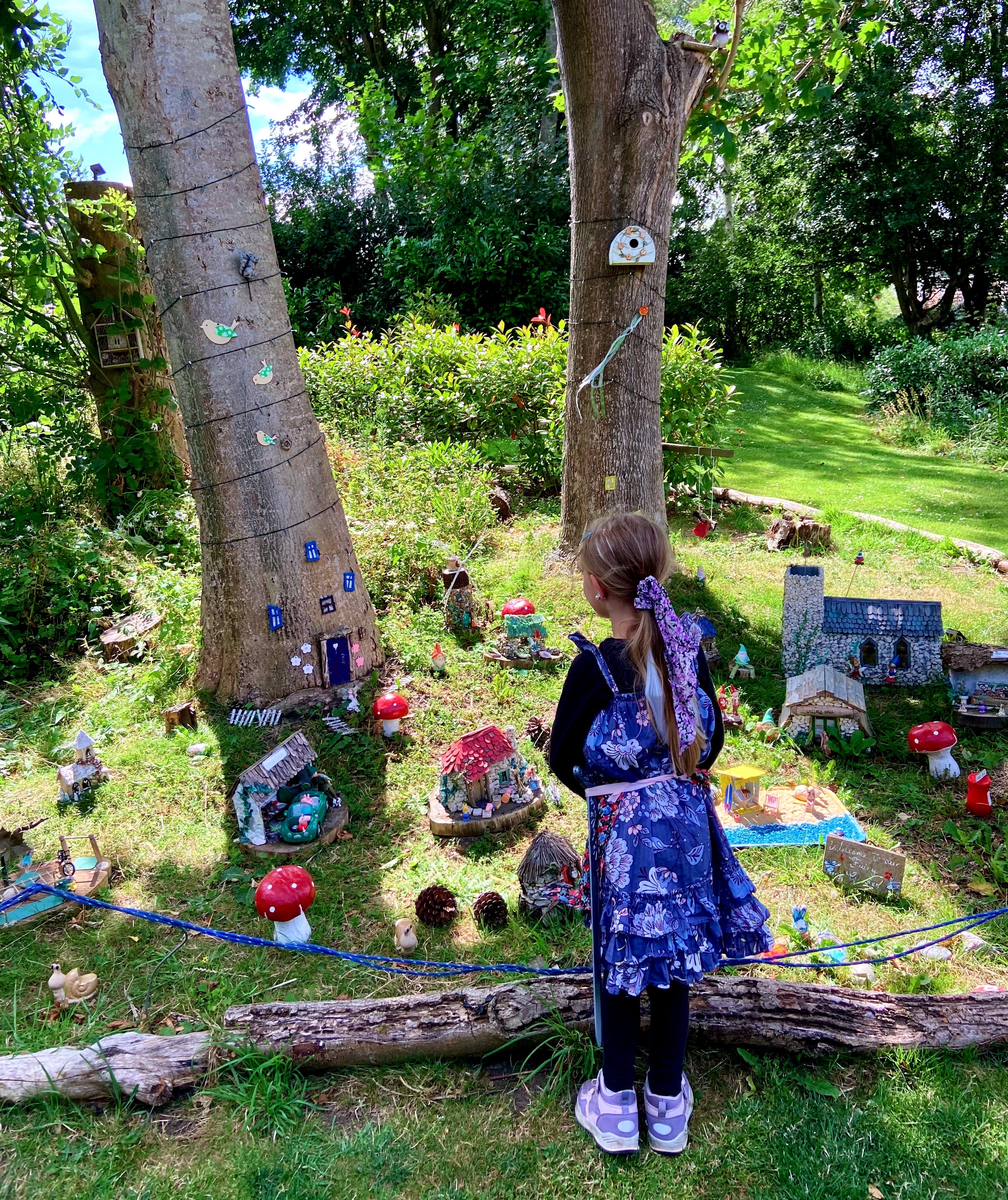
Part of our approach to easing off on pressure came from practical observations: P experienced intermittent hearing loss in her early years and had some coordination challenges. These tangible differences meant that at school she would likely have struggled to keep up with the pace at which basic academics were expected to develop. We needed to allow her more leeway and a gentler rhythm to support her natural growth.
Then when I first explored her Human Design chart, I was blown away. Her traits were clearly reflected: she is a Manifesting Generator, explaining her course-switching tendencies, and she has a quad-right Variable — a receptive, absorptive learning style with no leftness, which explains her low interest in logical or analytical approaches.
This understanding shifted my perspective completely, from worry and confusion (I had been quite a studious and logical child myself, balanced in left/right Variable) to acceptance, curiosity, and now embrace. I no longer try to approach her learning with methods that do not suit who she is. Instead, I lean into imagination, creativity, and stories — and learning flows naturally. She is thriving, comfortable in her own skin, and often described as a “balanced” child. She engages happily in new experiences and returns to regulation quickly when she loses it. I also sense she already grasps something profound: that everyone is different, and that difference is valuable.
Why One-Size Conditions Don’t Work
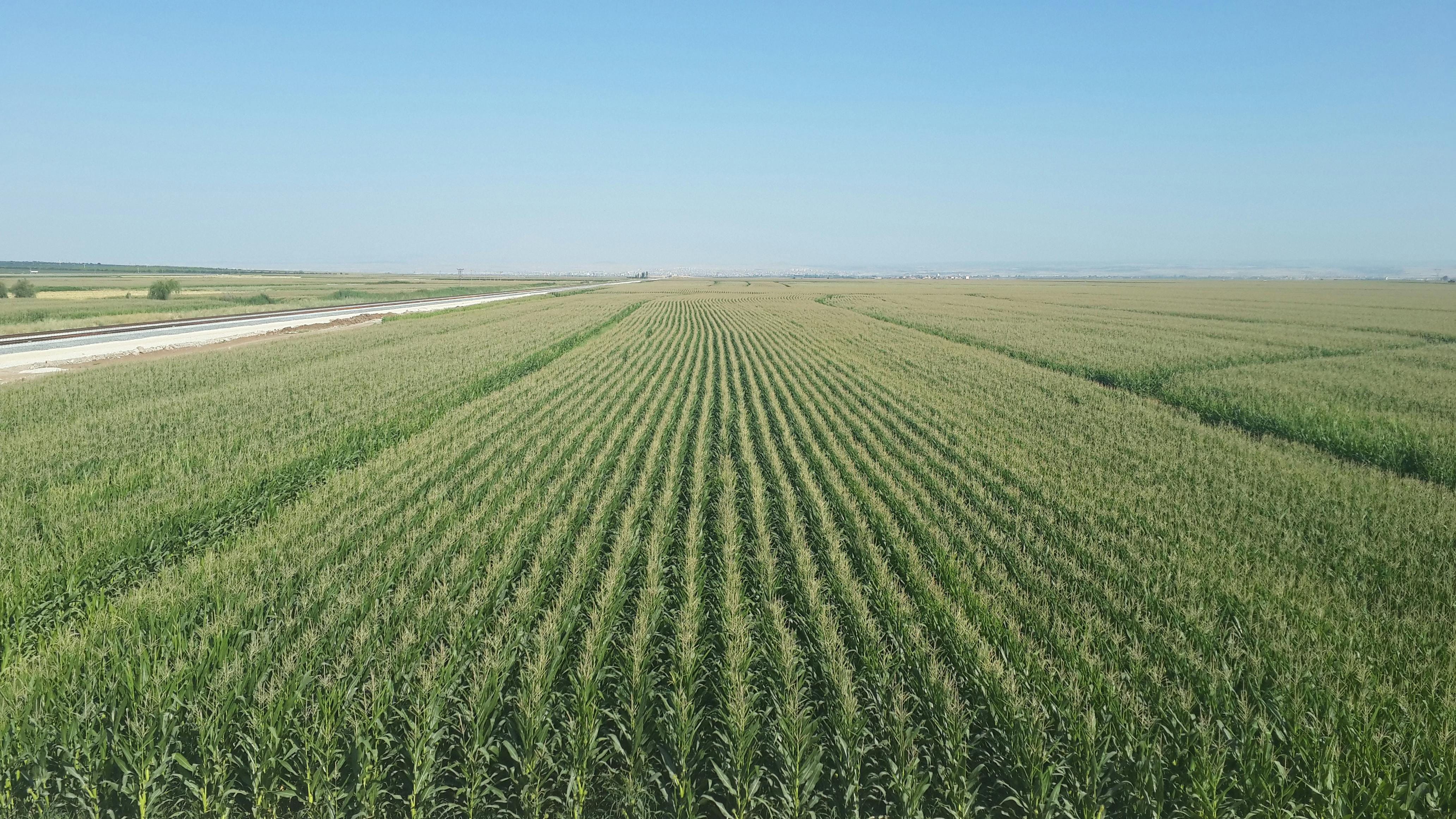
If we wouldn’t dream of planting every seed in identical rows and expecting them all to flourish, why do we think the same conditions will work for children? School, in many ways, is this kind of monoculture. The system offers one type of soil, one schedule of light and water, and one kind of environment for growth.
Some children are hardy — they survive, sometimes even thrive in those conditions. Many do not. Sensitive, spirited, neurodiverse, and non-linear learners can struggle to find nourishment in a setting that wasn’t built for their uniqueness.
Even with a packet of “the same” seeds, growth varies. Some shoot ahead, some take their time, and some need extra care to fully emerge. We accept this variation in gardening — and in other areas of childhood, like learning to swim or ride a bike. Yet when it comes to reading & writing and other academic skills, schools often enforce rigid timelines, despite huge natural differences in how children develop.
I see this story again and again: children wilting under standard conditions suddenly thriving when given tailored support. At home, with attuned parents adjusting to their needs, labels that once defined them in school often lose relevance, sometimes disappearing altogether.
I question whether the education system can truly serve these learners. Even if you know the delicate orchid needs specific conditions, it isn’t a given that your wider garden ecosystem will allow it to flourish. Similarly, schools are rarely set up for deep individualisation, no matter how good the intention.
The Attentive Gardener
So what does it mean to parent and educate as an attentive gardener? It means slowing down, watching, and noticing how your child responds to the environment around them. It means making small adjustments — shifting the rhythm of the day, changing the physical environment, easing expectations, offering different types of activities — and observing what happens.
Growth doesn’t always look neat or linear. Sometimes it looks like wild shoots; sometimes nothing appears above the surface while roots are digging down quietly beneath the soil.
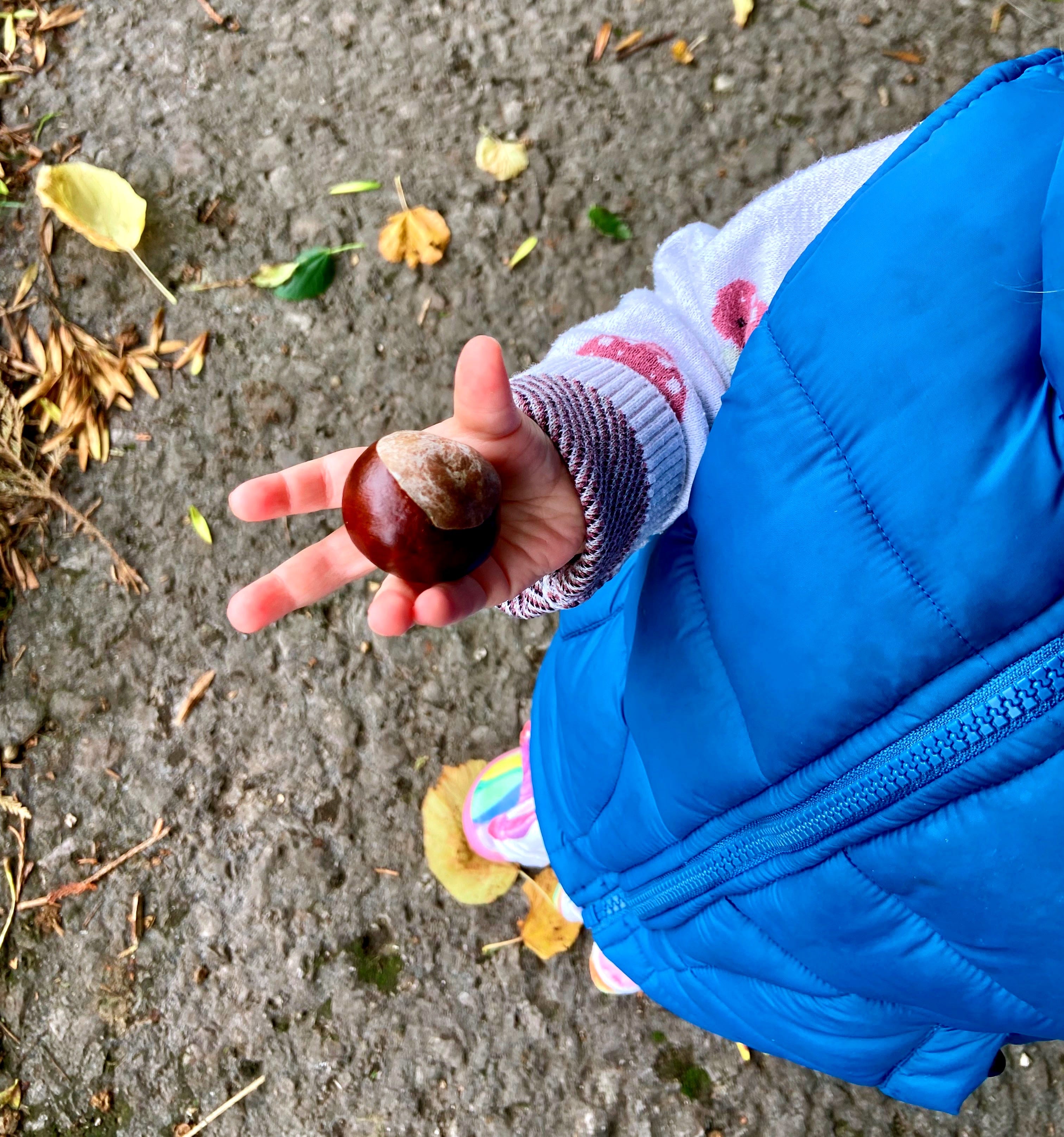
I’ve noticed how much easier it is to turn on the spark in my daughter when everything is framed as a story or role play. If I simply present a maths worksheet, she groans. But gather a horde of conkers and play squirrels? She leaps in with her whole being. Suddenly we’re sorting, categorising, charting, and even working on times tables — all to help Mrs Squirrel plan her winter food!
Similarly, listening to a story followed by art and chatting draws out her understanding far more deeply than standard “comprehension questions” ever would.
And perhaps most importantly, I sense that she has come to trust me more because of these approaches. She feels seen for who she is, not pushed to be something she isn’t. And everything flows more easily out of that relationship.
What Kind of Garden Do We Want?
Here’s the bigger vision. We can settle for a monoculture field — neat, efficient, predictable rows of crops. That’s the homogenised world, where children are moulded into sameness.
Or we can cultivate a wild, thriving garden — diverse, resilient, full of colour, surprise, and beauty. That’s what happens when we honour each child’s blueprint.
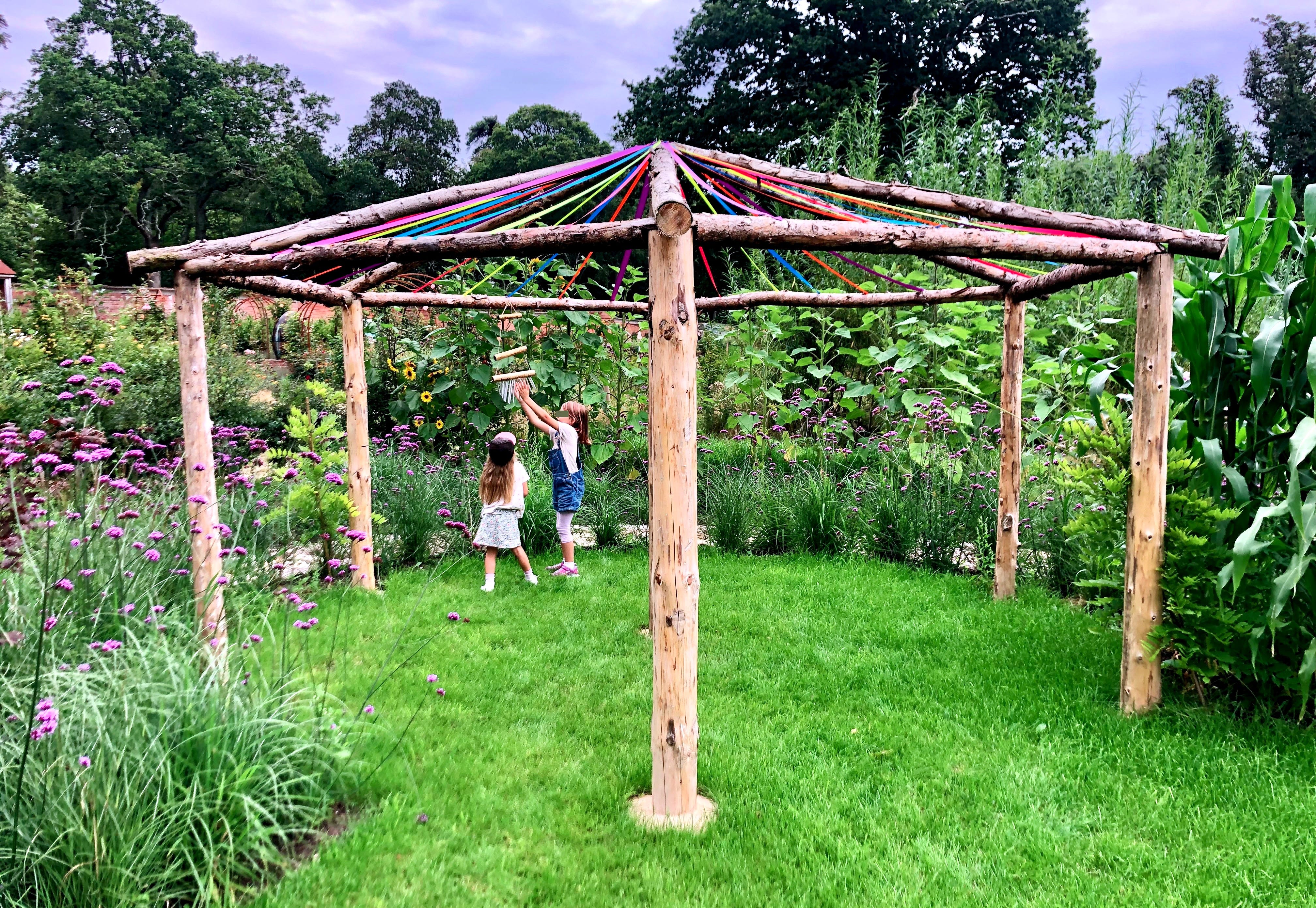
Extraordinary doesn’t have to mean “exceptional achievement.” To me, an extraordinary child is simply a natural child: one who has been allowed to grow into the version of themselves they were born to be, rather than someone else’s idea of what they should be.
This path is not easy. We, like many families who choose differently, have faced pressure and criticism. Going against the grain is hard. But like any challenge, the growth, resilience, and freedom it brings — for both parent and child — is immense.
How to Be the Attentive Gardener
A few simple ways to begin:
Observe first → What lights your child up? What shuts them down?
Adjust gently → Shift one thing at a time, give it space, and notice what changes.
Trust the process → Growth takes time and doesn’t look like the neighbour’s garden.
Use supportive tools → Human Design, strength profiling, developmental wisdom, and your own intuition can guide you.
The Permission Slip
At the end of the day, you don’t need to follow the conveyor belt. You don’t need to hand your child over to a system that doesn’t see their uniqueness.
You are allowed to choose differently.
You are allowed to trust what you see in your child.
You are allowed to be the gardener they need.
Thanks for suggesting this post. I love the analogy you've used!
You raise a great point. When a plant struggles, we don't judge it. We check the soil, adjust the light, change the watering schedule. But with children, we're quick to assume the child is the problem instead of asking if the learning environment is right.
I agree tailor‑made learning is the way to go. Yet, as you point out, ‘schools are rarely set up for deep individualisation’ - it’s simply not efficient for the system.
Thanks for highlighting the need to redesign the garden instead of continuing to blame the plants.